
Digital Ethics
The Ethics of Artificial Intelligence (AI) encompasses a broad range of moral principles and considerations that arise with the development, deployment, and use of AI

The Ethics of Artificial Intelligence (AI) encompasses a broad range of moral principles and considerations that arise with the development, deployment, and use of AI
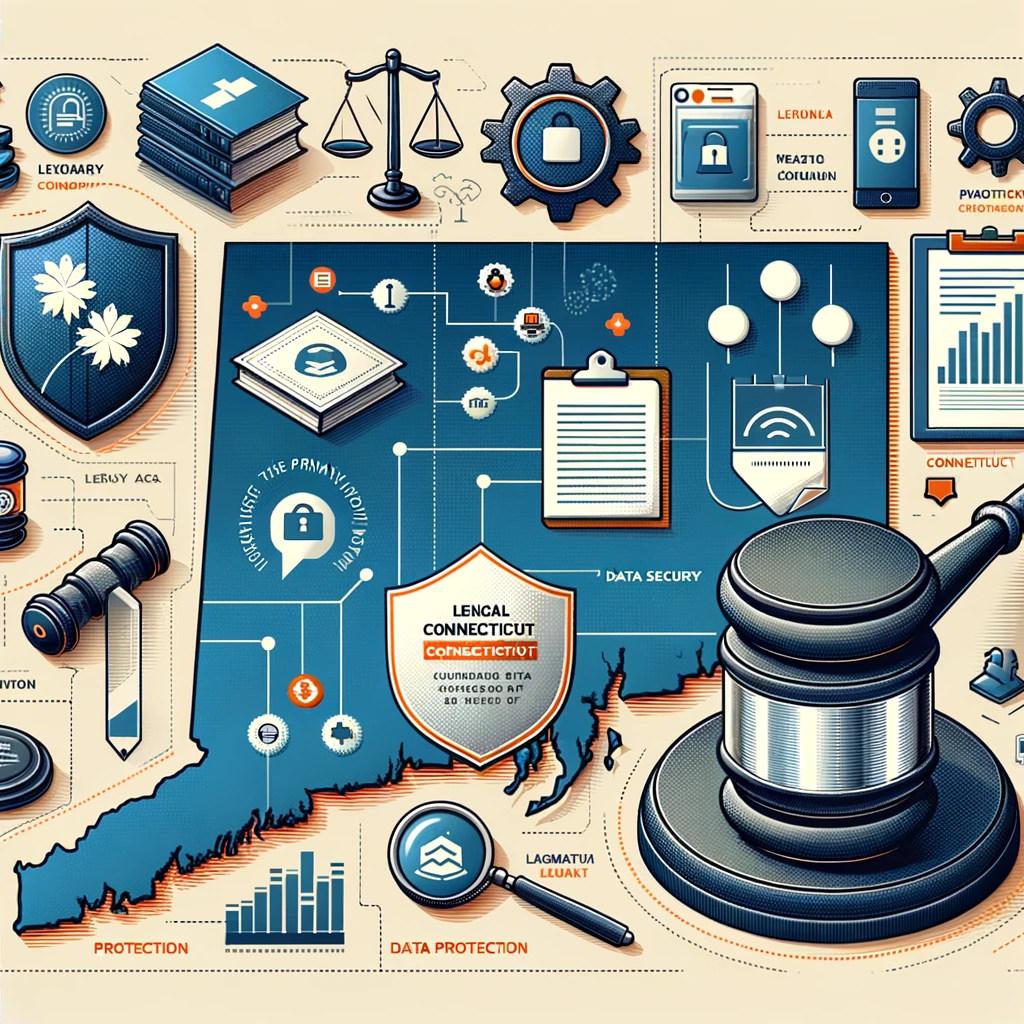
Connecticut privacy data laws are a critical framework ensuring the protection of personal information within the state. The Connecticut General Statutes, particularly section 743dd, lay

The fall of communism in Eastern Europe and the Soviet Union marks one of the most pivotal events of the 20th century, altering the geopolitical

The concept of the nation-state, once the cornerstone of political and social order in the West, is experiencing a significant transformation. This shift is largely

Globalization is a phenomenon that has had an impact on the fabric of contemporary Western civilization, fostering an interconnected world where boundaries are blurred, and

In the digital age, investigative efforts often require extracting evidence from an individual’s online activities. One critical avenue is through Internet Service Providers (ISPs). They

Digital Privacy and the Fourth Amendment: Navigating Modern Challenges In today’s digital age, the concept of digital privacy and our Fourth Amendment rights has evolved

The CAN-SPAM Act is a critical piece of legislation that every email marketer should be familiar with. Its rules apply to all email messages used
The discussion around implementing a line-item veto in the federal government highlights a crucial aspect of political reform, aiming to refine the legislative process and
The concept of imposing term limits on members of the federal government has garnered attention as a means to rejuvenate the political landscape of the
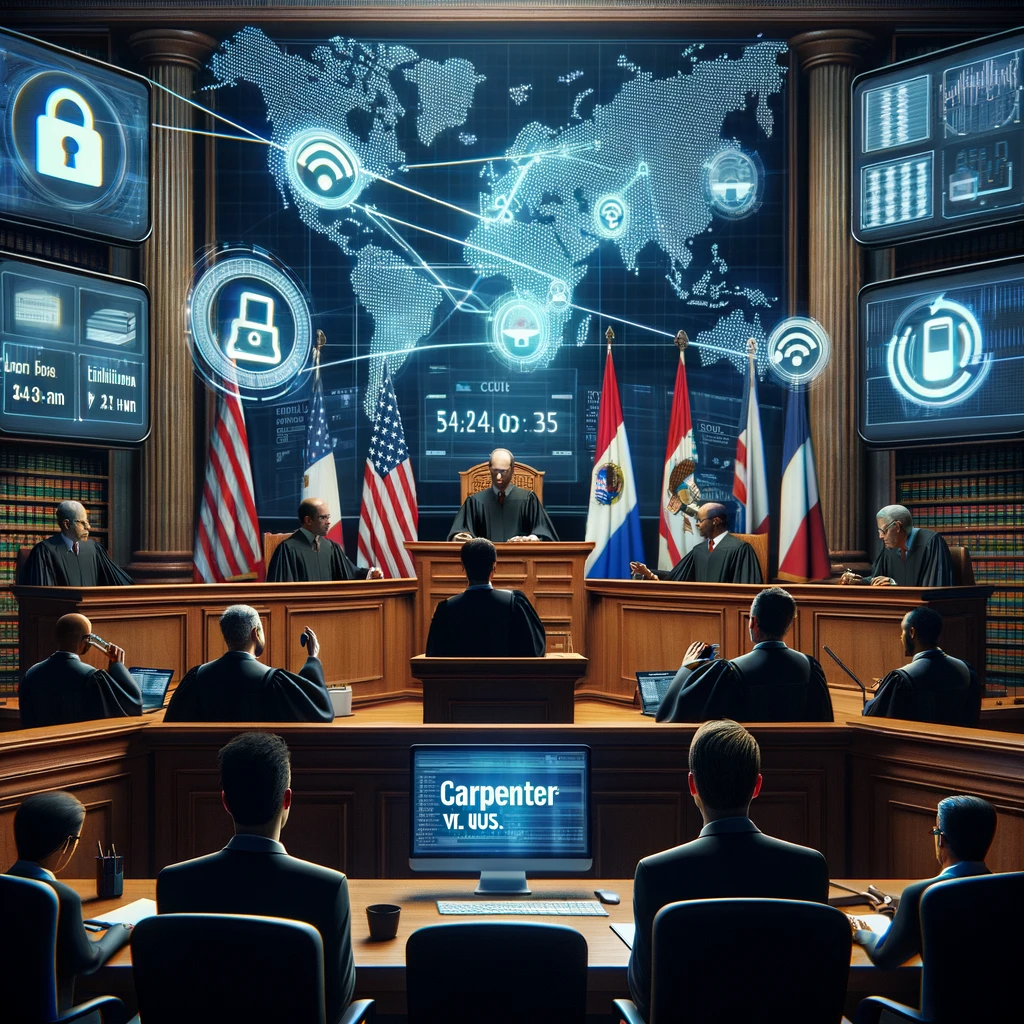
The Carpenter v. United States case represents a pivotal moment in the intersection of digital privacy and constitutional law, particularly concerning the Fourth Amendment’s application
The Constitutional right to privacy is a fundamental aspect of American liberty, offering protections against unlawful searches and ensuring personal freedom. The Fourth Amendment: A

The Islamic State (IS), also known as ISIS, emerged as a formidable force in the global arena, particularly in 2014, when it captured large territories
In the aftermath of the September 11 attacks, the United States witnessed a significant shift in the balance between national security and individual freedoms. The
The USA PATRIOT Act, enacted in the wake of the tragic events of September 11, 2001, significantly extended the Federal government’s authority, impacting the private

The Arab Spring, a series of anti-government protests and uprisings, began in 2011, drastically altering the political landscape of the Middle East and North Africa.

Google, a global tech giant, exemplifies the essence of corporate responsibility through its straightforward yet profound principle: “Don’t be evil“. This guiding axiom underpins Google’s

In the aftermath of the September 11 terrorist attacks, the United States witnessed significant legislative changes, notably the introduction of the Patriot Act. Designed to
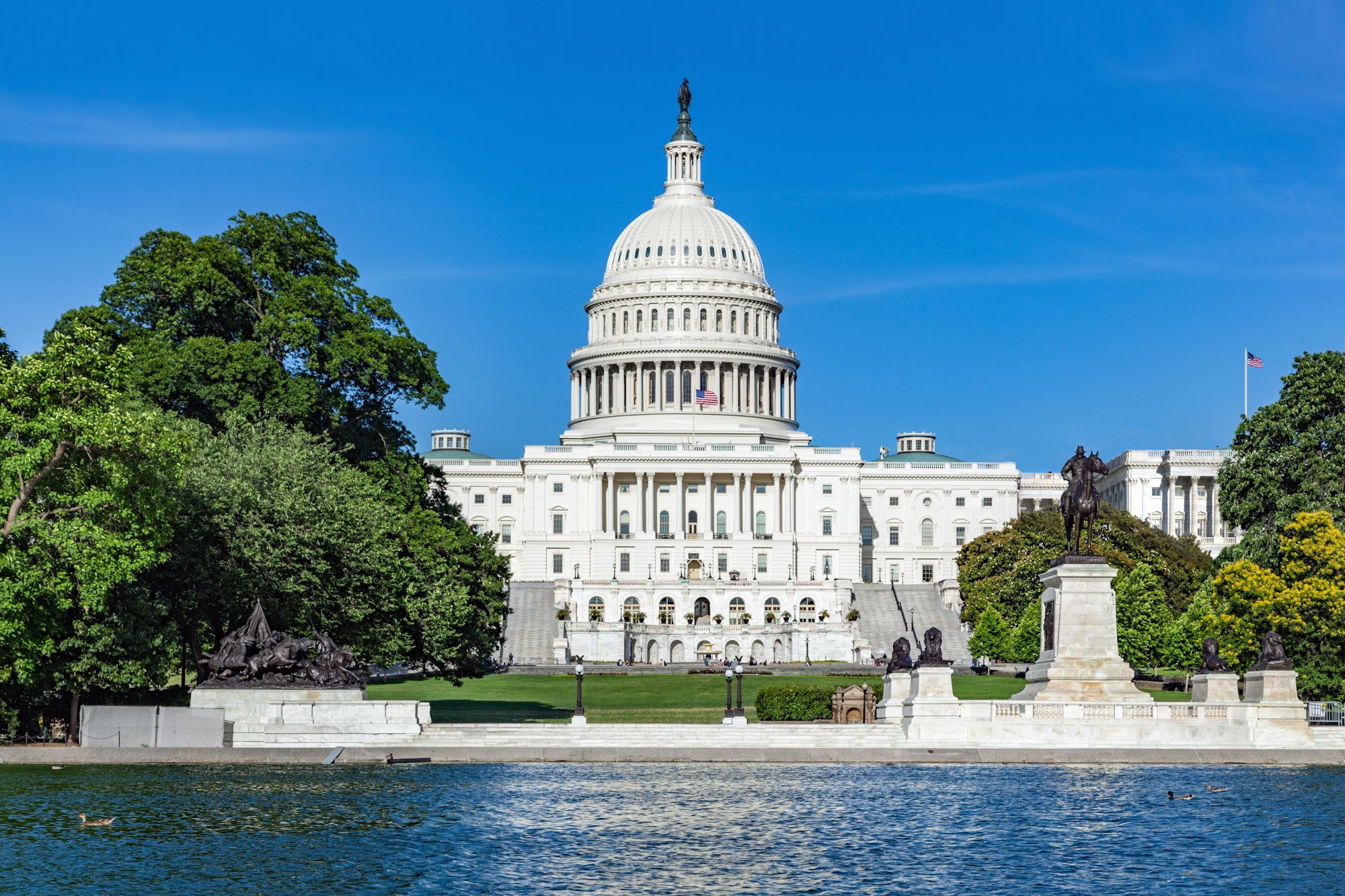
The Senate Committee on Appropriations stands as a cornerstone of legislative authority in the United States Senate. Tasked with a critical role in the federal

In the vast digital expanse of our interconnected world, the ethical quandaries posed by online piracy strike a dissonant chord within the music industry. Brandon

In our increasingly interconnected world, online piracy presents a significant challenge, especially for the music industry. Brandon Gaille (2017) highlights the gravity of this issue,

In our rapidly evolving digital landscape, where information traverses the globe in seconds, active engagement in the U.S. political system is surprisingly on the wane.

Despite being centuries old, the U.S. Constitution is far from outdated. It was crafted with remarkable foresight, providing a framework for a resilient government while

In today’s digital age, the protection of children on the internet is a paramount concern for educational institutions. It’s essential to understand the current regulations

The U.S. presidential election is an intense and competitive affair, with the victor leading not just the nation, but symbolically the free world. However, the
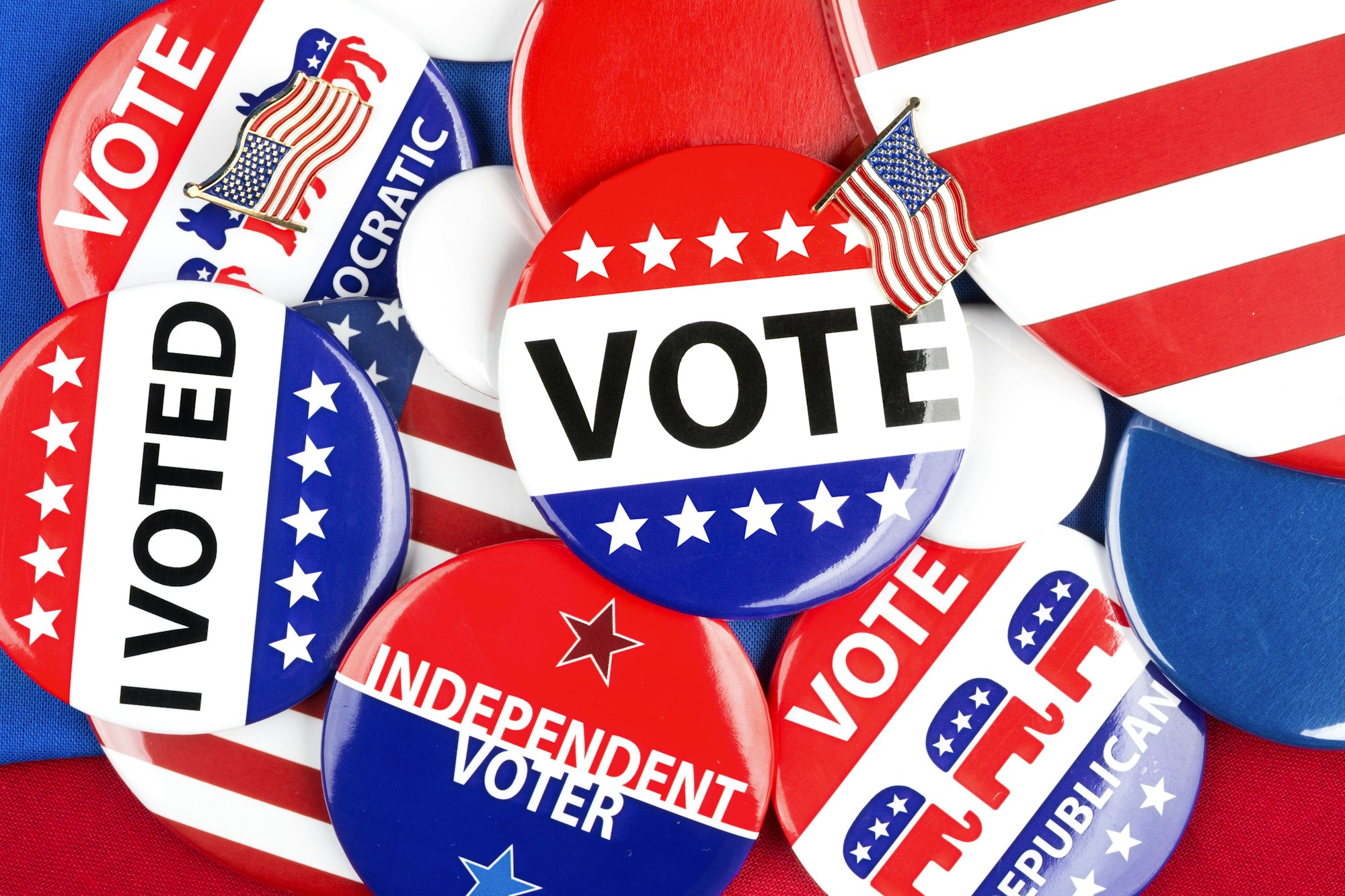
The U.S. Constitution doesn’t mandate a two-party system, yet American politics has gravitated towards this duopoly, maintained by the parties in power. The exclusion of
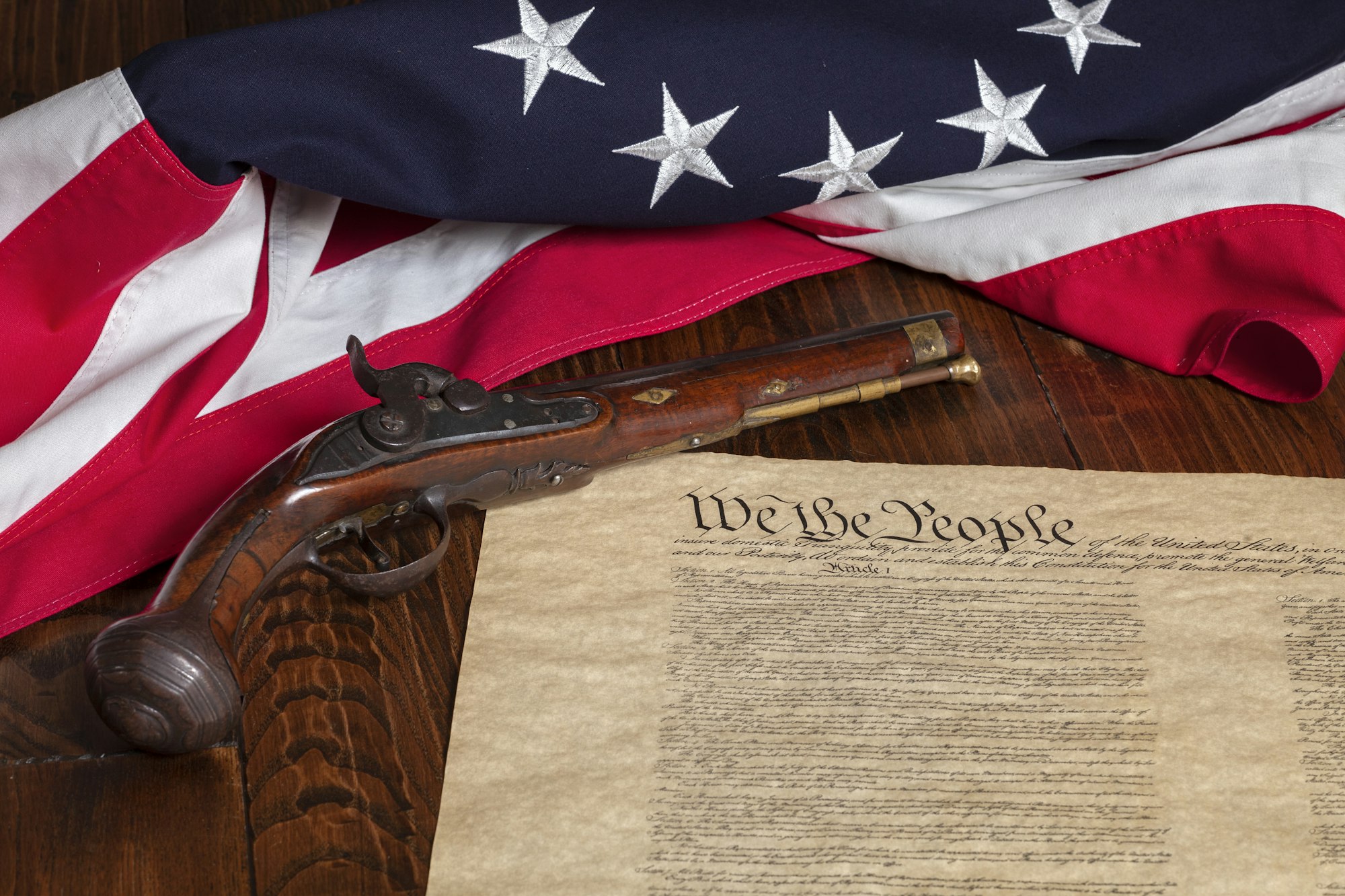
In the intricate landscape of the United States Constitution, the Fourth Amendment stands as a beacon of protection for citizens, safeguarding their right to privacy.

In the United States, the Constitution guarantees certain freedoms, but the digital age has ushered in complexities concerning privacy expectations. Many Americans are unaware of